 Ilham Bagaskara
  0
0
 0
0
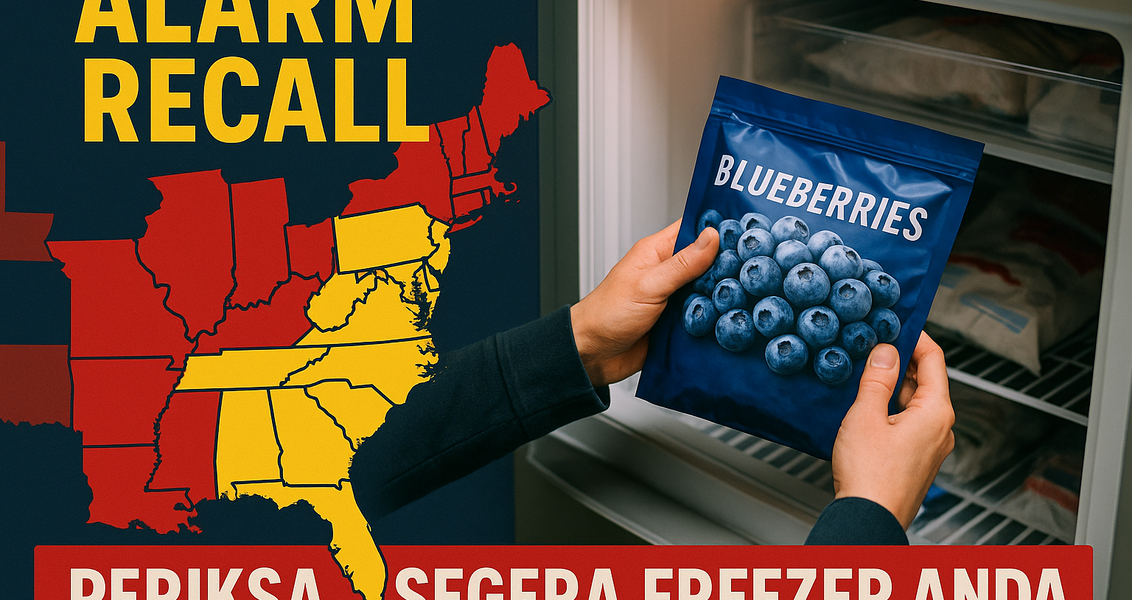
www.opendebates.org – Dunia ritel Amerika kembali diguncang. Publix, salah satu jaringan supermarket besar, mengumumkan recall blueberry terkait dugaan kasus E. coli. Peristiwa ini langsung ramai dibahas di berbagai blog kesehatan, keamanan pangan, hingga blog gaya hidup yang gemar mengulas tren makanan segar. Bagi konsumen, kabar seperti ini bukan sekadar berita singkat, tetapi sinyal untuk mengevaluasi lagi cara belanja, menyimpan, serta mengolah bahan pangan harian.
Di blog ini, saya mencoba membedah kasus recall blueberry Publix dari sudut pandang konsumen kritis. Bukan hanya mengulang informasi dari siaran pers, melainkan merangkainya kembali menjadi cerita utuh. Mulai dari apa itu E. coli, bagaimana risiko muncul, hingga apa langkah praktis yang bisa kita lakukan di dapur sendiri. Tujuan utamanya sederhana: membantu pembaca blog memahami bahaya tersembunyi di keranjang belanja, sambil tetap menikmati buah segar dengan lebih bijak.
Mengupas Recall Blueberry Publix Secara Kritis
Recall blueberry Publix memicu banyak pertanyaan. Mengapa buah sekecil itu bisa memicu kekhawatiran besar terkait E. coli? Di banyak blog berita, kasus ini diulas cepat lalu tenggelam oleh isu lain. Padahal, bagi keluarga yang rutin menyajikan blueberry untuk sarapan, smoothie, atau bekal sekolah, keputusan recall bukan hal sepele. Itu berarti ada potensi risiko kontaminasi yang menyentuh langsung pola makan harian.
Pihak toko umumnya akan menarik produk terdampak dari rak, mengumumkan kode produksi, serta menawarkan pengembalian uang. Namun, sering muncul celah informasi. Tidak semua konsumen membaca pengumuman resmi, apalagi bila hanya mengandalkan selebaran kecil dekat kasir. Di sinilah blog independen memiliki peran. Blog bisa menjelaskan ulang dengan bahasa sederhana, menyinggung contoh nyata di rumah, serta membantu pembaca memeriksa stok blueberry di kulkas masing-masing.
Saya menilai recall semacam ini seperti “tes darurat” bagi ekosistem keamanan pangan modern. Rantai distribusi panjang, petani bergantung distributor, lalu akhirnya produk sampai ke rak supermarket. Satu titik lalai dapat membuka peluang bakteri E. coli masuk. Dengan menuliskan analisis di blog, saya berharap pembaca tidak sekadar panik, namun belajar memetakan risiko. Konsumen berhak tahu bagaimana sistem seharusnya melindungi mereka, sekaligus batas perlindungan tersebut.
E. coli, Risiko Kesehatan, dan Peran Blog Edukatif
E. coli sejatinya bakteri yang hidup di saluran pencernaan manusia serta hewan. Sebagian besar strain tidak berbahaya, tetapi beberapa varian mampu menyebabkan diare parah, kram perut, hingga komplikasi serius. Kontaminasi bisa terjadi bila buah bersentuhan air tercemar, pupuk kotoran, atau permukaan terkontaminasi di fasilitas pengolahan. Blueberry terlihat bersih, namun permukaan kulitnya dapat menyimpan mikroorganisme mikroskopis. Itulah mengapa kasus Publix menarik dibahas lebih dalam di blog kesehatan.
Banyak pembaca blog cenderung menganggap buah segar identik dengan kesehatan. Asumsi tersebut benar, namun perlu dilengkapi wawasan higienitas. Kebiasaan mencuci buah sebentar di bawah air mengalir sering dianggap cukup. Padahal, cara penanganan sebelum sampai di rumah sering luput dari perhatian. Kontaminasi silang di tempat penyortiran atau selama pengemasan sudah cukup menimbulkan risiko. Di titik ini, kehadiran blog yang menjembatani bahasa teknis menjadi informasi praktis memegang peran strategis.
Sebagai penulis blog, saya memandang penting sekali menekankan aspek seimbang. Kita tidak perlu berubah menjadi paranoid terhadap setiap buah yang dibeli. Namun, perlu memahami bahwa sistem industri bukan entitas sempurna. Dengan begitu, ketika membaca kabar recall blueberry di Publix atau jaringan lain, reaksi kita tidak lagi sebatas panik sesaat. Kita bisa menilai tingkat ancaman, mengenali gejala infeksi E. coli, serta segera mencari bantuan medis bila diperlukan.
Dapur Rumah, Tanggung Jawab Pribadi, dan Refleksi Akhir
Kasus recall blueberry Publix ini pada akhirnya mengajak kita merenungkan kembali dapur sendiri. Supermarket boleh saja menjalankan prosedur, pemerintah menerbitkan regulasi, lalu media dan blog menyebarkan informasi. Namun, titik terakhir kendali justru ada di tangan kita ketika membuka pintu kulkas. Memeriksa label, rutin mencuci buah dengan lebih teliti, memisahkan bahan mentah dari siap santap, serta peka terhadap pengumuman recall menjadi bagian etika konsumsi baru. Bagi saya, menulis blog soal isu ini bukan sekadar memburu klik, melainkan upaya kecil menumbuhkan budaya makan lebih waspada namun tetap menikmati. Semoga setiap recall bukan hanya alarm sesaat, melainkan panggilan reflektif agar rantai pangan, termasuk kita di ujungnya, tumbuh lebih cermat serta bertanggung jawab.